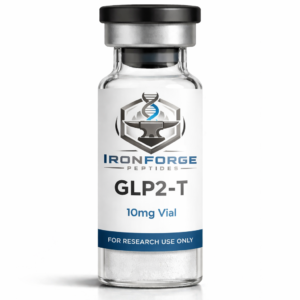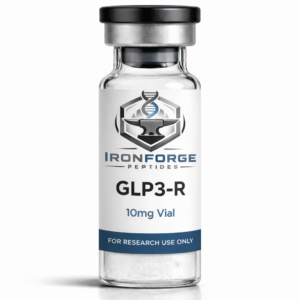

Semaglutide is a GLP-1 receptor agonist that has been widely studied for its effects on appetite regulation, blood sugar control, and body weight. Researchers are interested in this peptide because it may help reduce food intake, support metabolic function, and contribute to meaningful changes in body composition.
Scientific Information
- Full Name: Semaglutide
- Molecular Weight: ~4,114 Daltons
- Structure: Semaglutide is a modified GLP-1 analog engineered to resist rapid breakdown and remain active in the body longer than native GLP-1.
Research & Potential Benefits
-
Appetite Regulation:
Research suggests semaglutide may help reduce hunger and caloric intake by acting on GLP-1 receptors involved in appetite signaling. (Reference 1, 2) -
Body Weight Reduction:
Clinical studies have shown semaglutide can produce substantial weight reduction in adults with overweight or obesity. (Reference 1, 3) -
Metabolic Support:
Semaglutide has been studied for improving glucose control and broader metabolic health markers. (Reference 2, 4) -
Cardiovascular Outcomes Research:
Large trials have also examined semaglutide for its potential effects on cardiovascular risk in adults with obesity and related conditions. (Reference 3, 4)
References
- Wilding, J.P.H. et al. “Once-Weekly Semaglutide in Adults with Overweight or Obesity.” New England Journal of Medicine.
- Rubino, D. et al. “Effect of Continued Weekly Subcutaneous Semaglutide vs Placebo on Weight Loss Maintenance in Adults with Overweight or Obesity.” JAMA.
- Lincoff, A.M. et al. “Semaglutide and Cardiovascular Outcomes in Obesity without Diabetes.” New England Journal of Medicine.
- Deanfield, J. et al. “Semaglutide and cardiovascular outcomes in patients with obesity and prevalent heart failure: a prespecified analysis of the SELECT trial.” Lancet.
Disclaimer
For Research Use Only. Not for human consumption.